




Dental Health
The Complete Guide
to Dental Health
Evidence-based insights to help you understand, prevent, and support your pet's oral health for a longer, healthier life.
Why dental health is about more than clean teeth
Bacteria in the mouth don't stay there. Untreated dental disease allows harmful microbes to enter the bloodstream, affecting the heart, kidneys, and liver over time.
This guide breaks down what's actually happening in your pet's mouth — and what you can do to stop the cycle before it becomes irreversible.
Periodontal disease is the most common clinical condition in adult dogs and cats, yet it is largely preventable with proper home care and professional intervention.
What to do
Three things you can do starting today
Brush or wipe teeth daily
Even 30 seconds of brushing with pet-safe toothpaste removes plaque before it hardens into tartar. Consistency matters more than perfection.
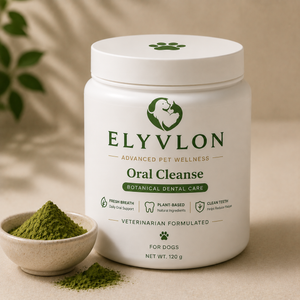
Add a dental Powder or water additive
VOHC-accepted dental powder and enzyme-based water additives work between brushing sessions to control bacteria and slow tartar buildup.
Schedule annual professional cleanings
At-home care manages plaque, but professional cleanings reach below the gumline, where tartar accumulates silently and causes the most damage.
The science
80% of dogs have gum disease by age 3
Periodontal bacteria trigger chronic low-grade inflammation that stresses the immune system and contributes to organ damage over years — not just bad breath.
Our dental formulas use enzymatic action and clinically validated ingredients — not just flavoring — to actively break down plaque at the bacterial level.
Vet-ReviewedSigns to watch
Signs your pet's dental health may need support
If you notice two or more of these signs persisting, it may be time to act.
Bad breath
Persistent odor beyond normal "dog breath" signals active bacterial overgrowth.
Yellow or brown buildup on teeth
Visible tartar indicates plaque has already mineralized and needs intervention.
Red or swollen gums
Inflammation along the gumline is an early marker of periodontal disease.
Reluctance to chew or eat
Pain from inflamed gums or loose teeth often shows as food avoidance.
Pawing at the mouth
Facial discomfort from tooth pain or gum infection can cause this behavior.
Loose or missing teeth
Advanced periodontal disease causes bone loss that eventually leads to tooth loss.
Ready to act?
Science-backed dental care, made simple.
Clinically studied, vet-reviewed, and designed to actually work — not just freshen breath.