










Anxiety & Stress
The Complete Guide
to Anxiety & Stress
Evidence-based insights to help you recognize, understand, and meaningfully reduce anxiety in your dog.
Why anxiety in pets is a health issue, not a behavior problem
Chronic stress in animals triggers the same cortisol-driven physiological cascade as in humans — suppressing immunity, disrupting digestion, and accelerating cellular aging.
This guide helps you identify what's driving your pet's anxiety and what science-backed approaches can genuinely reduce it — not just mask the symptoms.
Chronic stress in companion animals is associated with immune suppression, gastrointestinal dysfunction, and increased susceptibility to both infectious and degenerative disease.
What to do
Three things you can do starting today
Establish a predictable daily routine
Anxiety thrives on unpredictability. Consistent feeding, exercise, and rest times reduce baseline cortisol and give anxious pets a framework they can trust.

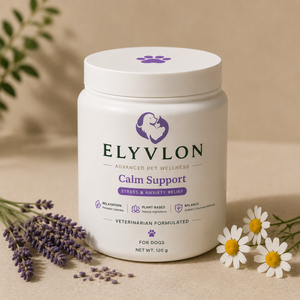
Try clinically studied calming supplements
L-theanine, ashwagandha, and certain B vitamins have demonstrated measurable reductions in stress markers in dogs and cats without sedation or dependency.
Use desensitization for known triggers
Gradual, controlled exposure to triggers like thunder sounds or separation paired with positive reinforcement rewires the anxiety response over time.
The science
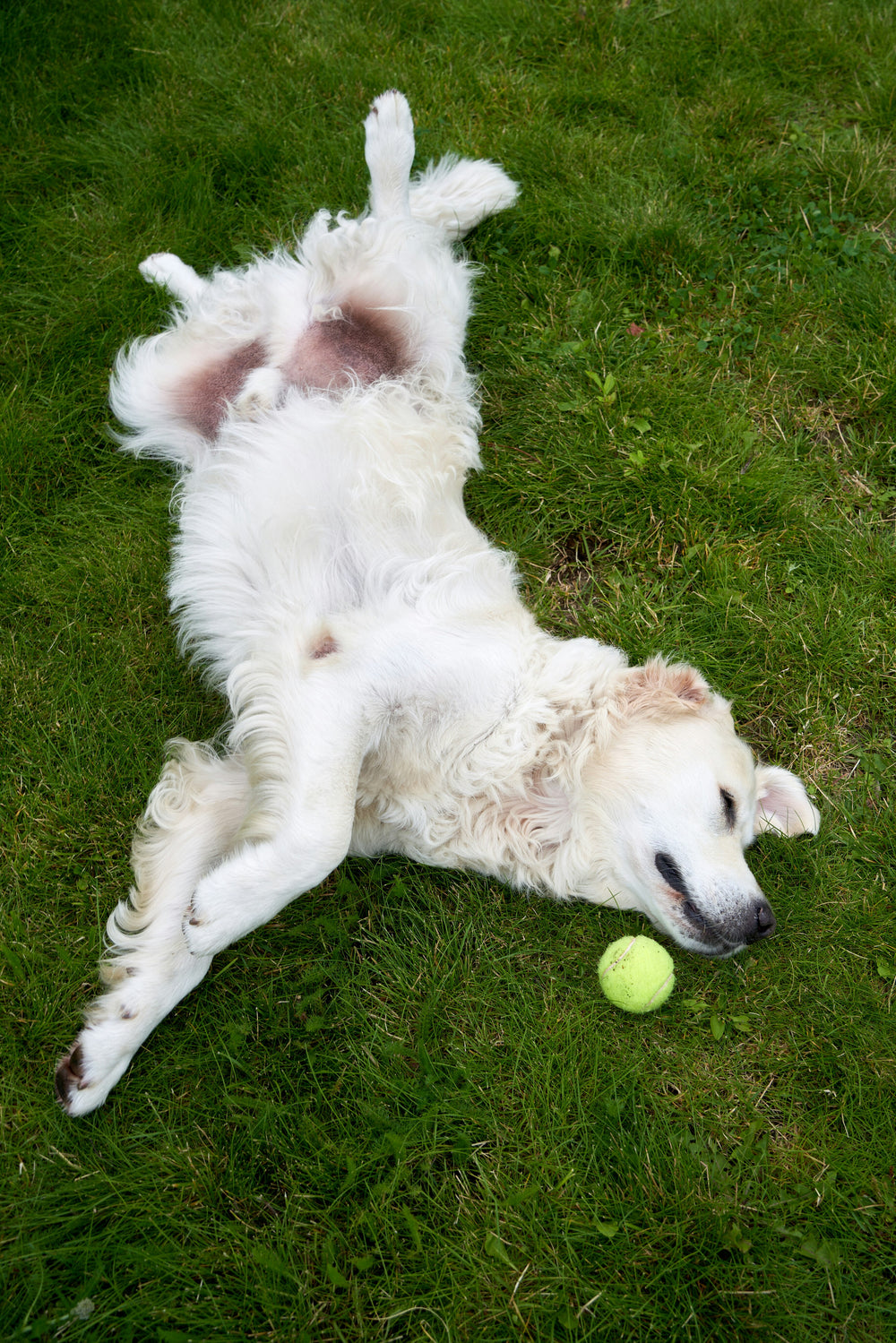
72% of dogs display at least one anxiety-related behavior
Research shows that anxiety in pets is not a personality trait — it's a physiological state driven by neurochemistry, gut health, and environmental factors that can be meaningfully modified.
Our calm support formulas use adaptogenic herbs and amino acids at effective doses — not trace amounts added to justify a marketing claim.
Vet-ReviewedSigns to watch
Signs your pet may be experiencing chronic stress
If you notice two or more of these signs persisting, it may be time to act.
Destructive behavior when alone
Chewing, scratching, or destroying objects in your absence is a classic separation anxiety signal.
Excessive vocalization
Persistent barking, whining, or howling—especially when left alone—reflects emotional distress.
Trembling or hiding
Physical fear responses to sounds, strangers, or new environments indicate high baseline anxiety.
Aggression or irritability
Anxiety often presents as reactivity—snapping, growling, or resource guarding beyond normal behavior.
Digestive upset under stress
Vomiting or diarrhea before vet visits, travel, or loud events reflects the gut-brain stress axis activating.
Compulsive licking or pacing
Repetitive self-soothing behaviors are a sign of chronic unresolved anxiety,

Ready to act?
Science-backed calm support, made simple.
Clinically studied, vet-reviewed, and formulated to address the root of anxiety — not just temporarily quiet it.